
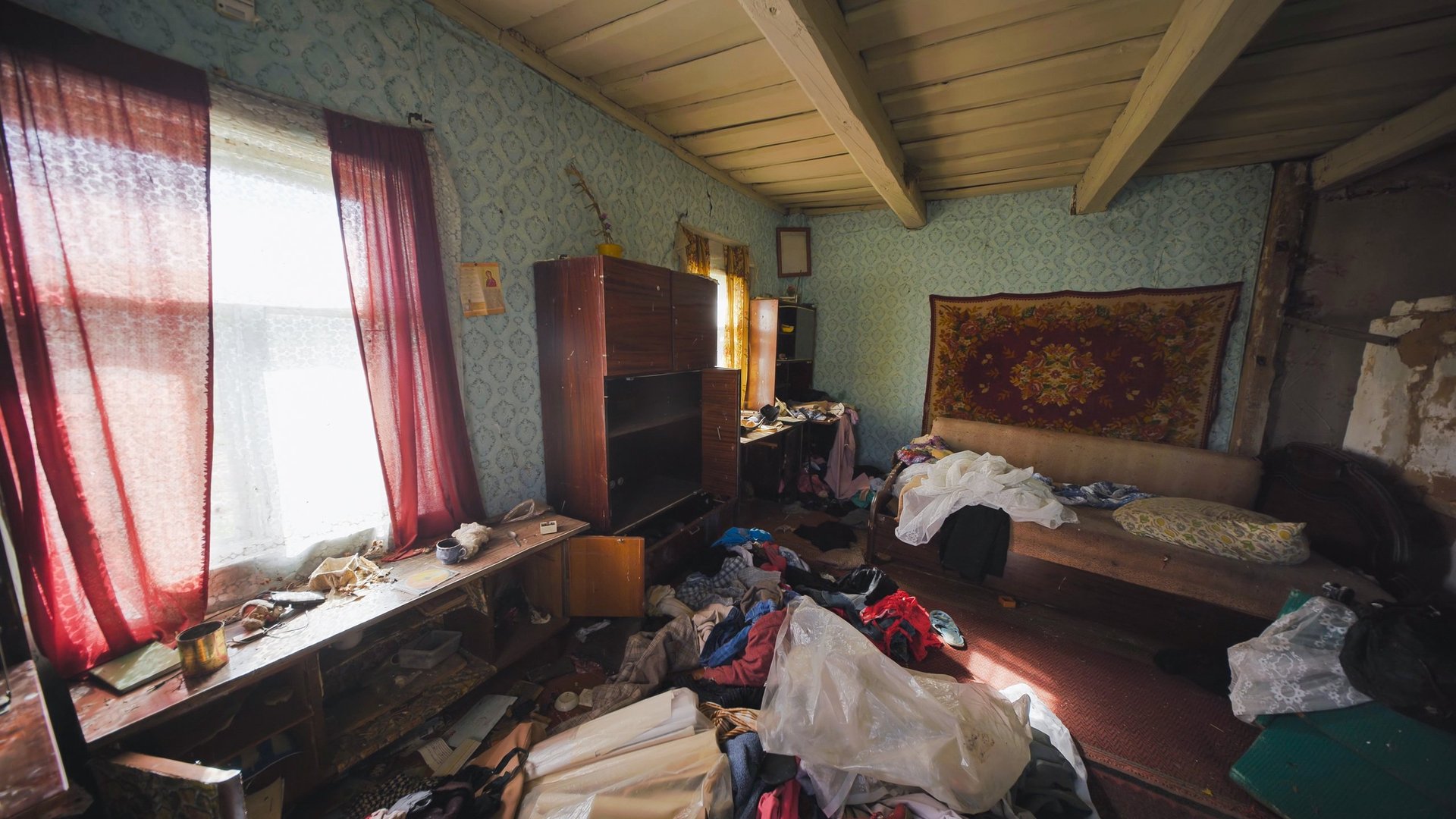
Managing a property cleanout from another city starts with clear decisions about what stays, what leaves, and who approves the work.
A relative's home in Beaufort, a vacant house in Newport, or a second home in Emerald Isle each needs instructions tied to the actual property. A general request to clear everything leaves too much unresolved when you are several hours away.
For out-of-town owners planning a property cleanout in Carteret County, NC, the most useful preparation is a documented scope. Photographs, item lists, access arrangements, and approval checkpoints give the local team a shared understanding of the job.
This guide explains how to organize that information, coordinate the people involved, and review completed work without relying on a vague description of an empty house.
Before requesting an estimate, decide what result you need.
A full contents removal differs from clearing selected furniture before a renovation. A garage cleanout differs from removing unwanted belongings across the house, shed, and outdoor storage.
Write a short description of the finished condition for each area. Examples include removing the listed furniture from the living room, leaving labeled keepsakes in a bedroom closet, and clearing approved boxes from the garage.
Identify belongings staying with the property. Appliances, fixtures, tools, and outdoor furniture need explicit decisions rather than assumptions about whether everything belongs in the load.
For a hypothetical Beaufort property, an owner decides to retain the dining table, remove two sofas and several dressers, and set aside family photographs for collection. Those instructions define a partial cleanout even if most of the household contents will leave.
Use the specific result to guide estimates and completion photos.
Remote work needs a clear decision path.
Identify the person authorized to approve the scope, price, and additions. If several relatives or owners participate, agree on that role before contacting the removal team.
Give the provider one primary contact and an agreed backup contact. Explain which person answers access questions and which person approves changes.
A local helper opening the door does not automatically become the decision-maker for the belongings. Make those roles clear in the written instructions.
If ownership or authority over an item is unsettled, leave the item outside the approved removal list until the responsible parties resolve the question.
For an estate property, coordinate decisions with the authorized estate representative. The cleanout plan should follow the decisions already established for the belongings.
Coastal CleanOut's estate cleanout services include options for coordinating access and sharing updates when a client is absent. Discuss the arrangements for your project before scheduling the work.
Old listing photographs rarely provide enough detail for a current cleanout.
Arrange a recent walk-through with a local representative or discuss an assessment with the service provider. Record every area included in the proposed scope.
Start with a wide photograph of each room. Add closer photographs of major furniture and grouped belongings. Include closets, cabinets, utility spaces, garage corners, and detached storage where relevant.
Use simple location labels such as Front Bedroom, Kitchen Pantry, and Garage Rear Wall. Keep the same labels in your item list and estimate request.
For items needing a specific decision, assign a short identifier. Living Room Sofa 1 and Living Room Sofa 2 are clearer than the two couches when furniture sits in different parts of the property.
Photograph retained belongings as well as outgoing items. The crew needs to recognize both groups.
Avoid relying on photographs alone for concealed contents. A closed cabinet or stack of containers needs a contents review before you approve removal.
A photograph shows the belongings. A decision list tells the team what to do.
For each major item or clearly defined group, record the location, description, decision, and next action.
Useful decisions include:
Add a date or responsible person where a handoff still needs completion.
Match the list to the photographs. If an image shows a bed, mattress, nightstand, and chair, identify which pieces belong in the removal scope.
Avoid vague instructions such as everything except valuables. Different people assign different meanings to value, and the removal crew needs specific decisions.
Keep pending items in a separate group. Ask for a review photograph or local inspection before deciding their destination.
For a Carteret County home with several rooms of belongings, this list becomes the shared reference for the owner, local helper, and cleanout provider.
Family records and meaningful belongings deserve a separate process.
Identify photographs, documents, jewelry, collections, and sentimental furniture before approving broad removal. Agree on who reviews these items and where the retained belongings will stay.
If relatives want specific furniture, send photographs and measurements. Record the recipient and an agreed collection date.
Do not treat an unanswered family message as a completed decision. Give relatives a reasonable review period, then resolve the next step with the responsible owner or representative.
Ask whether the cleanout provider offers sorting or set-aside work and whether those tasks appear in the estimate. A request to remove listed furniture differs from a request to search cabinets for selected documents.
For complex keepsake decisions, schedule the review before the main removal appointment. That sequence gives the hauling team a settled list and gives the family time to make decisions without an active crew waiting.
An accessible front door does not answer every access question.
Describe the parking location, path into the home, stairs, gates, and entry arrangements for detached buildings. Identify any rooms or storage areas outside the scope.
Choose who supplies the keys or approved entry instructions. Confirm the handoff before the appointment and agree on how access ends after completion.
If a property manager, agent, relative, or neighbor meets the team, provide the confirmed date and contact details directly to everyone involved.
For a condominium in Atlantic Beach or Emerald Isle, ask the property representative about loading areas, elevators, and appointment requirements. Share the applicable arrangements with the service provider before scheduling.
If belongings occupy several addresses, provide separate instructions for each location. A home cleanout and a storage unit pickup need separate descriptions even when the same owner approves both.
Send the same scope you expect the crew to follow.
Include the property address, labeled photographs, item list, retained belongings, access details, and requested completion date. Mention any sorting, disassembly, or set-aside tasks you want included.
Ask whether the provider needs an on-site assessment before finalizing the price. Confirm who provides access for that visit.
Request a written explanation of the included work and the process for changes. Identify which materials the provider accepts and which items need another route.
Coastal CleanOut offers junk removal across Carteret County. Confirm the exact address and service scope when requesting an estimate for a remote project.
If the property preparation relates to a sale or renovation, review the company's real estate cleanout services. Discuss your actual completion requirements instead of relying on a broad description of a cleared property.
Agree on communication before the workday begins.
Useful checkpoints include:
Choose the communication method and identify the person expected to respond.
Keep your approval contact available during the agreed work window. If you will be unavailable, provide an authorized backup with the same current instructions.
Set a clear rule for unlisted belongings. Ask the team to photograph the item and obtain a decision before adding the item to removal.
If a changed scope affects the price, request the revised amount before approving the extra work. Record the decision alongside the updated list.
A remote project benefits from specific checkpoints because the owner does not see each decision unfold in person. The written process helps everyone understand when to proceed and when another answer is needed.
A cleanout often supports another project, such as repairs, cleaning, photography, or preparing a room for new furniture.
Identify those tasks separately and ask each provider to confirm the work included.
Removing an unwanted refrigerator does not establish who disconnects the appliance or prepares the space for a replacement. Clearing a bedroom does not establish whether wall repairs or detailed cleaning belong in the appointment.
List the required tasks in order. Complete approved removal before work that depends on an empty area. Confirm the handoff date with the next provider.
Coastal CleanOut's furniture and appliance removal service provides a route for unwanted large household items. Describe connected appliances, disassembly needs, and access conditions during the estimate conversation.
For an out-of-town owner, those details reduce the number of decisions left to someone who meets the crew at the property.
Choose the completion photographs before the appointment.
Request wide views of the same rooms and areas shown in the initial inventory. Matching viewpoints make the agreed scope easier to review.
Ask for photographs of closets, storage spaces, and detached buildings included in the work. A living room photograph does not confirm completion in the garage.
Retained belongings also need documentation. Request a view of labeled keepsakes or furniture that the instructions required to stay.
Compare the finished photographs with the approved list. Identify any missed items or unresolved areas while the team's understanding of the job is current.
For a larger property, arrange a local representative's final walk-through if you want an in-person review. Give that person the same scope and identify which decisions they are authorized to make.
Keep the completion review tied to the contract's actual tasks. A partial contents removal should be assessed against the listed items and areas.
Agree on what happens when the crew finishes.
Identify who receives the keys, whether the property needs another appointment, and who confirms the agreed closing routine. If the local representative meets another contractor next, place that handoff on the schedule.
Request the invoice and any other documentation agreed during the estimate process. Store those records with the final scope and photographs.
If donation or recycling documentation matters to your project, ask about the available records before booking. Avoid making the documentation request after the disposal arrangements have already occurred.
Review Coastal CleanOut's service areas if your project involves addresses in several nearby communities. Confirm each pickup and handoff location directly.
A remote cleanout ends with the agreed property condition, completed documentation, and a clear next point of responsibility.
The following example provides an order for planning. Adjust the dates to the property's needs and provider availability.
Choose the approving contact and define the intended result. Arrange the current photo inventory and identify any ownership decisions still requiring review.
Complete the item list and keepsake decisions. Confirm family pickups and identify which belongings stay with the property.
Request the estimate and settle the included tasks. Confirm access, the appointment date, communication checkpoints, and the process for approving changes.
Distribute the current instructions to the provider and local representative. Reconfirm the contact available for questions.
Compare the completion photographs with the approved scope. Complete the key handoff, documentation, and next contractor appointment where relevant.
Each stage supplies information needed by the following stage. Scheduling bulk removal before approving the belongings reverses that order and leaves key decisions unresolved.
Answers to the questions we hear most often.

Managing a property from out of town requires a plan others are able to follow. Define the result, document the belongings, choose an approving contact, and agree on access and completion checks.
Share the address, photographs, approved item list, and your coordination needs so the team understands the work before the appointment.